Yukimi-Onsen Magic: A Respectful Guide to Hokkaido’s Winter Hot Springs
1. The Beauty of “Yukimi-Onsen” in Winter
To be honest, I was born in Kyushu—the complete opposite side of Japan from Hokkaido. Since I lived in a famous hot spring town, onsen was a normal part of my life, and I actually preferred Kyushu’s cloudy,muddy, sulfurous waters of onsen.
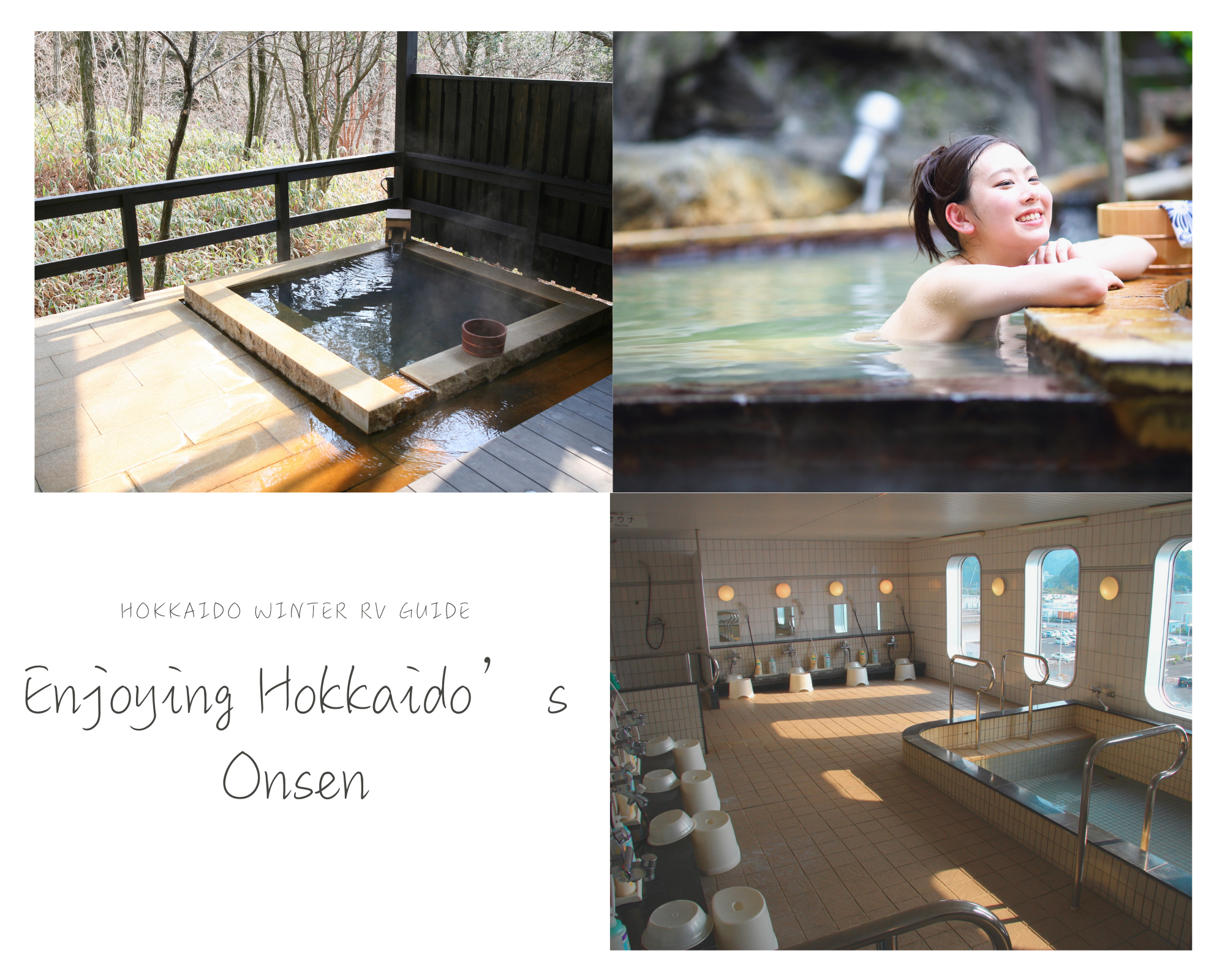
However, it rarely snows in Kyushu, and it never piles up. So when I experienced Hokkaido’s unique “Yukimi-Onsen” (snow-viewing bath) for the very first time, the emotion was completely beyond words!
The luxury of soaking in a hot outdoor bath while gazing at the pristine, white snow… Sometimes, the towel balanced on your head even freezes, which always made my kids and me laugh. Since the air temperature is below freezing, your body doesn’t overheat as quickly, allowing you to enjoy a much longer, relaxing soak. Nowadays, I love using this magical snow-viewing time to have deep, long chats with my teenage daughter.
2. Sharing the Space: Essential Etiquette to Remember
- An onsen is a shared space for everyone. Whether you are Japanese or an international traveler, the rules must be respected. If you are ever unsure about something, asking is always your best bet! Even without bad intentions, certain actions can be deeply unacceptable in Japan. Let’s keep the experience pleasant for everyone and avoid misunderstandings.
Washing Before Bathing
The baths are shared, so please wash your body thoroughly before stepping into the water. Head straight to the washing stations first! Most facilities provide complimentary body soap, shampoo, and conditioner, so all you need to bring with you to the washing area is your small towel.
Keeping Towels Out of the Water
After washing, the best thing to do with your small towel is to wring it out tightly and wrap it around your head. Why? Because you must never let your towel touch the onsen water. It comes down to the same reason: keeping the shared water perfectly clean. Either place your towel on the designated shelves near the washing stations or balance it on your head.
💡 [Column] A Story of Culture Shock: Why Checking Rules Matter
*Decades ago, when I was working at a tourist hotel, I witnessed an international guest standing on one leg by the drainage next to the main bath, resting their other foot on the edge of the tub, and urinating.
Needless to say, I was absolutely shocked! However, in their home country, this might not have been unusual, and the guest likely had no bad intentions at all or just simple misunderstanding, I guessed that. But still, it is not a pleasant sight for others sharing the space. That is why, I highly recommend looking up the local etiquette before you visit. Because these facilities are for everyone after all.
3. Tattoo Friendly Options: How to Navigate with Ink
In the past, tattoos were not common as fashion in Japan; they were heavily associated with the Yakuza (Japanese mafia). While more young Japanese people are enjoying tattoos as fashion nowadays, many traditional onsen facilities still strictly ban anyone with ink. Some places allow entry if you can completely cover your tattoos with waterproof stickers or bandages.
So, does this mean travelers with tattoos can’t enjoy an onsen? Not at all! Japan has a wonderful option called “Kazoku-buro” (Family Baths)—which are completely private, reservable onsen rooms.
I used to use them a lot when my kids were little, and they are highly recommended for couples and families too. While they cost a bit more than public baths, having a 100% private hot spring all to yourself is absolutely worth the value. Even if you don’t have tattoos, this is also the perfect option for anyone who feels shy about getting naked around strangers but still wants to experience real Japanese onsen!
What is a Family Bath (Kazoku-buro)?
Here are a few visual examples to give you an idea of what a private Family Bath looks like:
🔗 Horohoro Sanso (Family Bath Example 2)
🔗 Onsen Kiyora (Family Bath Example 1)
Estimated Fees & Systems
Time Limit: Most family baths operate on a time-limit system, typically 1 hour.
Estimated Cost: Around 1,000 to 2,000 JPY per hour. Prices vary slightly depending on the facility’s location and luxury level.
Extensions: If you want to soak longer, don’t worry! You can easily extend your time. For example, if the base rate is 1,000 JPY/hour, an extra 30 minutes will usually cost around 500 JPY or similar.
Pro-Tip: The pricing structure varies by location. Some places charge per person, while others charge per room, and some might require an additional general admission fee. Since most of this information is only available in Japanese online, I highly recommend using Google Translate to check their official websites in advance!*
A breathtaking snowy landscape, a steaming bath, and a quiet space built on mutual respect—this is how the winter onsen magic of Hokkaido comes to life. The etiquette is simple: just treat the space with love and care. Take advantage of private family baths, find your own perfect rhythm of relaxation, and let this journey warm you to the core. Have a magical road trip!